
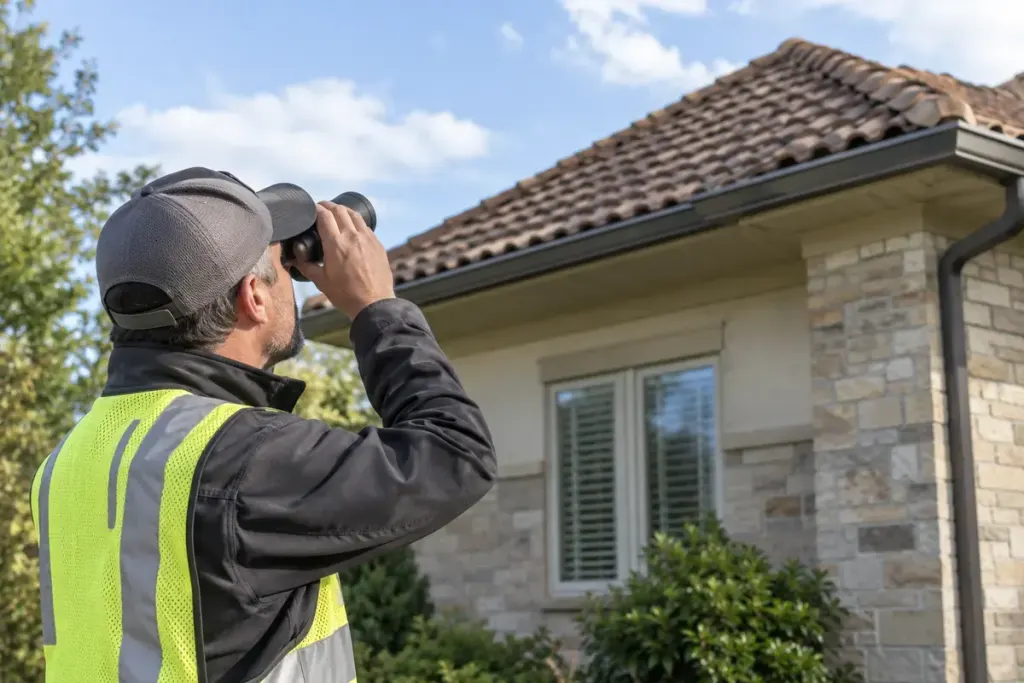
A solar quotation can describe panels, inverters and projected generation in detail while saying very little about the surface underneath them. If the roof may need work soon, that omission deserves attention before installation.
The decision is not simply “replace every old roof”. Age is one clue among several. Condition, roofing material, previous repairs and the planned installation all need competent assessment.
Make the roof a separate line of discussion
The US Department of Energy’s homeowner solar guide advises considering roof age and the time until replacement. Its system-replacement discussion also notes that roofing work can require removal of panels and mounting equipment.
Ask who has inspected the roof and what that inspection covers. A solar sales photograph is not necessarily a structural or roofing assessment. Where appropriate, obtain an independent opinion from a qualified local roofing professional.
Ask about the second visit, not only installation day
- If roof repairs are needed later, who is qualified to remove and reinstall the solar equipment?
- What would that work include, and how would it be priced?
- Who handles weatherproofing around mounting points and any resulting warranty question?
- What documents will record the roof condition and completed installation?
Get responsibility and exclusions in writing. A roofing warranty and a solar installation warranty may cover different things. Do not infer that one company will automatically pay for work performed by the other.
For a fictional planning comparison, one household may be choosing between immediate installation followed by roof work in a few years, or completing necessary roofing first. The useful comparison includes both sequences of work, not just the current solar price. It also recognises uncertainty: an inspection cannot promise exactly when a roof will fail.
Do not climb onto the roof to settle these questions yourself. Gather existing invoices, repair records and photographs taken safely from the ground. Those documents can make the professional conversation more specific and help you avoid signing a solar contract that leaves the roof as an expensive unanswered question.